
Across apps and almanacs, people check a daily zodiac sign forecast, plot full birth charts with divisional layers, and even attempt forecasting the full swing of your season. Most followers first meet the Western approach, yet the sky is interpreted through more than one tradition. Another major framework is Vedic astrology—also called Indian or Hindu astrology—which employs a different zodiac system. This overview compares Western and Vedic astrology to deepen understanding of both. From origins to signs and practical questions, the essentials of these two systems are unpacked below.
Western Astrology: Background and Roots
Historians generally point to the 2nd century CE and the influence of Ptolemy’s Tetrabiblos when summarizing how the Western line developed. Drawing on Babylonian records and Hellenistic scholarship shaped by Greek culture, this tradition uses the tropical zodiac. Houses are assigned from details such as birth date, time, and location. The model works with twelve zodiac signs and interprets planetary positions for the moment of birth from an Earth-based vantage rather than a constellation-anchored frame in space.
Vedic Astrology (Jyotish): Background and Roots
Within the Indian lineage, Jyotish—often referred to as Vedic astrology—traces to ancient scriptures and the Four Vedas, with lore that reaches far into prehistory. The Sanskrit term Jyotisa/Jyotish relates to “light” and celestial bodies. Unlike the Western method that uses the tropical framework, this tradition applies the sidereal zodiac aligned to the actual constellation backdrop. It also recognizes twelve signs with familiar names, though the house and sign date ranges differ. Emerging from sages and seers, it remains closely tied to mantra, ritual, philosophy, and spiritual revelation.
Vedic and Western Astrology: How They Differ

Placed side by side, these two systems share certain ideas yet diverge in pivotal ways. Understanding those contrasts can shift how you identify with a sign once your chart is recalculated through Jyotish. The highlights below outline the main points of difference.
Zodiac Signs in the Two Systems
Both frameworks count twelve signs with largely matching names, but the calendar boundaries are not the same. A person reading as a quick-witted Gemini in a Western horoscope might translate to a steady, affectionate Taurus when computed with the sidereal method. Another notable contrast is emphasis: Jyotish places major weight on the rising sign (ascendant), while Western interpretations commonly foreground the sun sign.
Calendars and Reference Frames
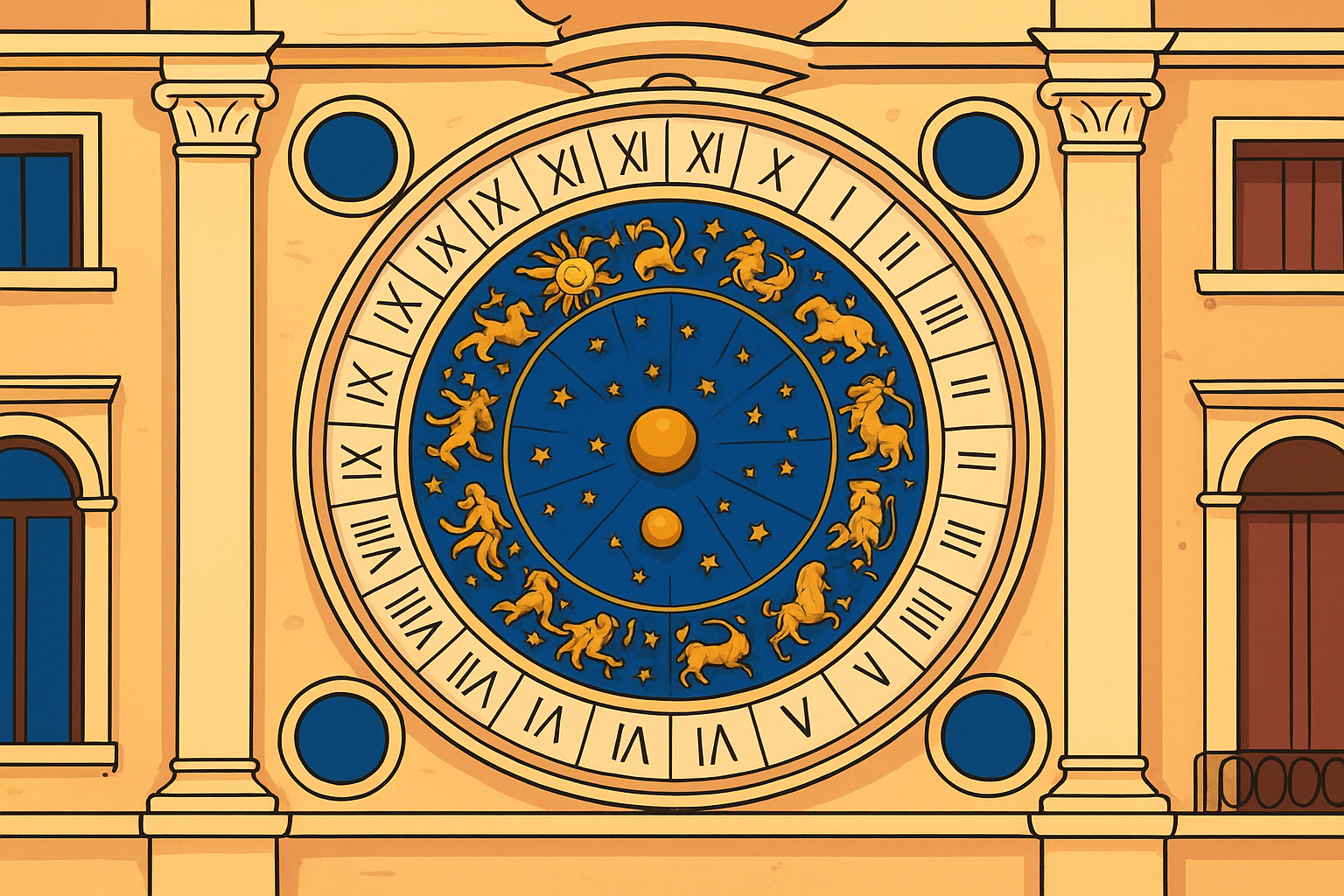
For seasonal reference, the Western approach uses the tropical zodiac tied to solstices and equinoxes. The Vedic system, by contrast, bases calculations on the sidereal zodiac anchored to the constellation backdrop, a difference made clearer by the precession of the equinoxes over long timescales.
Planets, Sun, and Moon Emphases
Because the Western model aligns with the solar cycle, its readings often pivot around the sun and seasonality. The Vedic method gives pronounced weight to the moon and to visible planets, as well as the lunar nodes—orbital intersection points often linked with karma—while Western charting incorporates the major planets in a different fashion.
House Systems and the Ascendant
Regarding houses, both traditions treat the ascendant—what rises in the east at one’s birth—as central for describing temperament and direction. The measurement differs: many Western systems divide houses unequally from the first-house longitude, whereas Vedic practice commonly adopts equal-size houses. That structural choice can shift where the ascendant and other factors land.
Birth Chart Formats
Visually, the typical Western birth chart is a circle with signs and houses arranged in a counterclockwise pattern. A Vedic chart is more often shown as a square or diamond grid split into twelve compartments. The geometry changes the presentation, not the aim, which is to map planetary placements at the birth moment.
Other FAQs on Vedic Astrology
How Vedic Astrology Approaches Accuracy
Many practitioners consider the sidereal method more exacting because it factors in additional moving pieces and fewer broad generalizations. Its granular attention often makes readings feel less generic than a simplified Western snapshot.
What Jyotish Can Reveal
By charting the motion and placement of planets and stars at your birth, Jyotish is said to reflect both karma and dharma. It can illuminate life path themes, major cycles, and relationship patterns—context that can steady you through life’s ups and downs.
Why the Two Systems Diverge
The primary split lies in reference frames: the Western model tends to use the tropical zodiac fixed to seasons, while the Vedic approach relies on the sidereal zodiac tied to the constellation field. As the sky background shifts with precession, calculated outcomes naturally differ.
Is Vedic the “Real” Astrology?
Advocates argue that because Jyotish tracks planetary motion with detailed techniques—including the lunar nodes and fine subdivisions—it can yield more dependable results. Still, western and vedic astrology weigh many of the same celestial symbols; it is the method, not the heavens, that changes.
How the Sidereal System Works
Using the sidereal zodiac, an astrologer references observable constellations and adjusts for long-term drift caused by the precession of the equinoxes. Rather than a season-centered view from Earth, the wider sky is used as the measuring stick.
Names of the Twelve Signs
Among the familiar set are Aries and Taurus, with Gemini close behind; Cancer and Leo, then Virgo and Libra; Scorpio, Sagittarius, and Capricorn; finally Aquarius alongside Pisces.
What Astrology Means
In broad terms, astrology is a divinatory practice in which the arrangement of planets and stars is read for symbolic links to human moods, behavior, and patterns in nature. Personality tendencies and ways of responding to events can be interpreted from those configurations.
Core Principles in Vedic Thought
Four elemental motifs—earth, air, fire, and water—often frame interpretations, and four aims of life are emphasized: dharma, artha, kama, and moksha. Jyotish functions as a map for grasping these aims and steering one’s destiny.
Vedic Astrology vs Western Astrology: The Takeaway
Stepping back, both systems offer meaningful mirrors for self-inquiry and timing. Horoscopes, birth charts, and related tools can guide reflection and decision-making. The Vedic approach generally provides a more intricate, adaptable reading that treats the cosmos as dynamic rather than fixed, which many find closely attuned to the natural world and inner life. Even so, each tradition has its strengths. If you want to explore ways to support wellbeing in step with your zodiac, consider a practical guide to crystals and the zodiac.

Interfax-relegion.com Editorial Team
Sean Phillips
I’m Sean Phillips, a writer and editor covering and its impact on daily life. I focus on making complex topics clear and accessible, and I’m committed to providing accurate, thoughtful reporting. My goal is to bring insight and clarity to every story I work on.


0 Comment